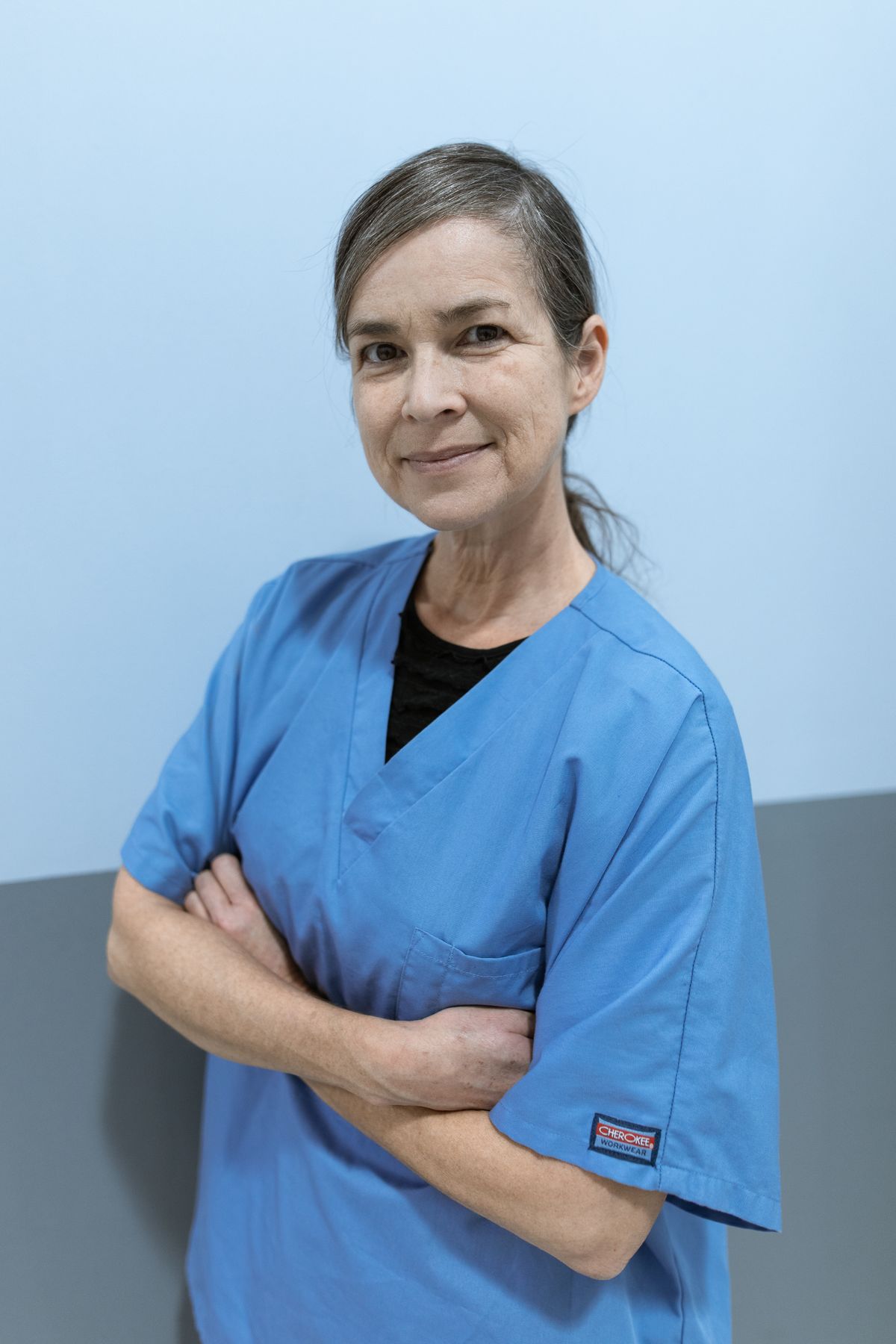
The UK care sector is one of the largest employers in the country, and it's growing. Whether you're changing careers, returning to work, or starting out for the first time, care work offers something a lot of jobs don't: the chance to make a genuine, visible difference in someone's day, every single day. Here's what you actually need to know before applying.
What Does a Care Worker Actually Do?
The exact role varies depending on the setting and the person being supported, but common responsibilities include:
- Supporting with personal care — washing, dressing, grooming
- Helping with meal preparation and nutrition
- Medication prompting and administration
- Accompanying people to appointments and social activities
- Light domestic tasks — laundry, tidying, shopping
- Providing companionship and genuine emotional support
- Monitoring and reporting any changes in a person's health or wellbeing
No two days look exactly the same, and the job is as much about relationships as it is about tasks.
Do I Need Previous Experience?
Not always. Many excellent care workers come to the sector without formal care experience but with natural empathy, patience, and a genuine commitment to helping others. What matters most to employers is character and reliability — the practical skills can be taught.
What Qualifications and Checks Are Required?
To work in care in the UK, you'll typically need:
- An enhanced DBS check (Disclosure and Barring Service) — a criminal record check specific to working with vulnerable adults or children
- The Care Certificate — a set of 15 standards covering the fundamentals of safe, compassionate care, usually completed in your first weeks with an employer
- Right to work in the UK documentation
- Two references, usually covering recent employment or character
Many employers, including JJR Care, provide full training as part of onboarding, so you don't need to arrive with all of this already completed.
What Skills Actually Matter?
Beyond formal qualifications, the qualities that make a genuinely good care worker are:
- Patience — things often take longer than expected, and that's fine
- Good communication, including with people who may have communication difficulties
- Reliability — people depend on you showing up when you say you will
- Physical stamina, since the role can be active
- Discretion and respect for people's privacy and dignity
What Are the Career Progression Options?
Care is not a dead-end job. Common progression routes include:
- Senior care worker or team leader roles
- Specialising in areas like dementia care, complex care, or palliative care
- Moving into care coordination or registered manager roles
- Training as a nurse via apprenticeship or further study, using care experience as a foundation
Temporary, Bank, or Permanent?
The sector offers genuine flexibility. Agency and bank work suits people who want variable hours around other commitments, while permanent roles offer more consistency and often additional benefits. A good recruitment agency, like JJR Care's recruitment division, can help match you to the working pattern that actually fits your life.
Ready to Take the Next Step?
If this sounds like the right direction for you, JJR Care regularly recruits care workers, support workers and healthcare assistants across Essex, London, Bristol and Hampshire — with full training, competitive rates, and genuine progression. Take a look at our current vacancies to see what's available.
Comments (0)
No comments yet. Be the first to share your thoughts!
Leave a Comment