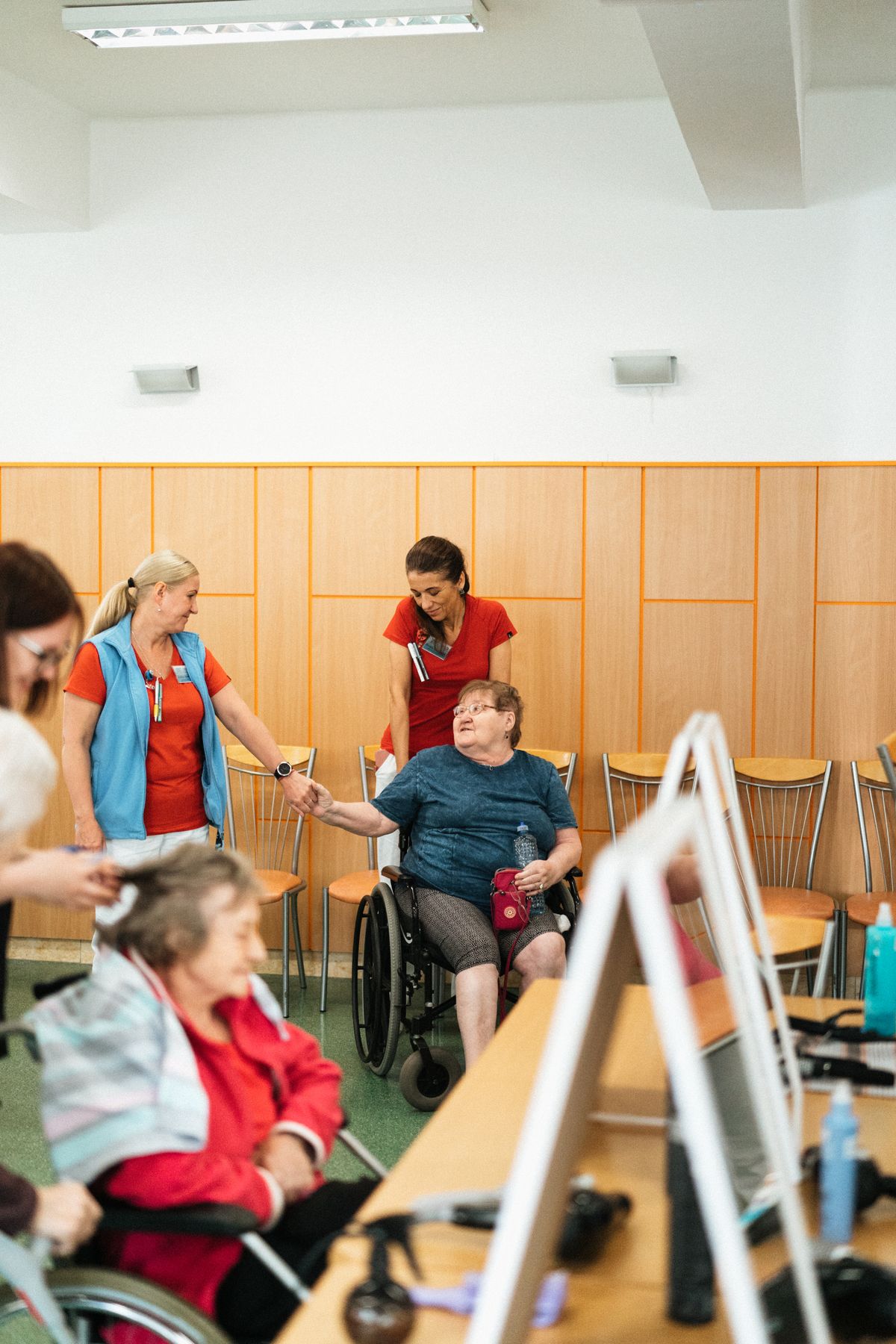
"Person-centred care" appears on almost every care provider's website, including ours — and it's used so often that it risks becoming a phrase people skim past without really taking in. So it's worth actually explaining what it means, and why it's more than a marketing phrase.
The Opposite of Person-Centred Care
The easiest way to understand person-centred care is to look at what it replaced. Traditional models of care were often task-focused: a fixed list of jobs to complete, on a fixed schedule, largely the same for every person receiving care. Get someone washed, dressed, fed, and medicated, in that order, on time. It's efficient, but it treats the person as a set of tasks to complete rather than an individual with preferences, history, and a say in their own life.
What Person-Centred Care Actually Changes
Person-centred care starts from the individual, not the task list. In practice, this means:
- The person's preferences genuinely shape the care plan — what time they like to get up, how they like their tea, which radio station they listen to, not just what medical tasks need completing.
- Choice is preserved wherever possible, even in small things. Being asked "would you like tea or coffee" rather than simply being handed one matters more than it sounds.
- The person's history and identity are respected — understanding someone was a teacher for forty years, or loved gardening, or always did the crossword, isn't small talk. It's information that shapes how you actually support them well.
- Care plans are living documents, reviewed and adjusted as the person's needs and wishes change, not fixed once and left untouched.
- Family involvement is welcomed, not managed as an inconvenience, because families usually know the person best.
Why It Matters More Than It Might Seem
Person-centred care isn't just a nicer way of doing things — it has measurable outcomes. People who feel genuinely heard and respected in their care tend to be more cooperative with things like medication and treatment, experience less anxiety and agitation (particularly relevant in dementia care), and report significantly higher satisfaction and quality of life. It also tends to catch problems earlier, because a carer who knows someone well notices small changes that a task-focused approach might miss entirely.
What This Looks Like in Practice at JJR Care
For us, person-centred care means every care plan is built around the individual from the first conversation — not a generic template with a name added at the top. It means our carers are trained not just in tasks, but in genuinely listening, and it means giving families a real voice in shaping and reviewing the care their loved one receives, not just a form to sign once at the start.
Questions to Ask Any Care Provider
If you're evaluating care providers, "do you offer person-centred care" is almost a meaningless question — everyone will say yes. Better questions are: How is the care plan actually built? Who's involved in reviewing it, and how often? What happens if the person's preferences conflict with the standard way things are usually done? The answers reveal a lot more than the phrase itself.
Comments (0)
No comments yet. Be the first to share your thoughts!
Leave a Comment