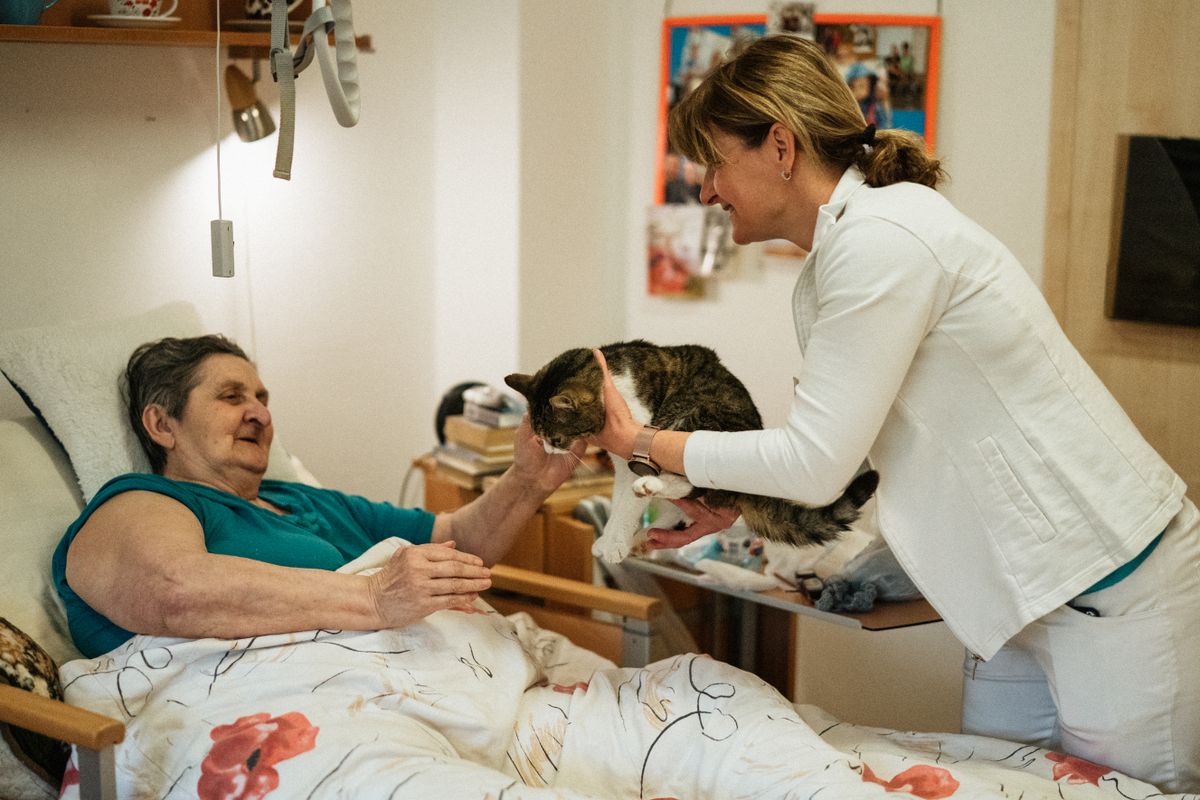
A dementia diagnosis — for the person themselves, or for someone you love — raises a lot of questions all at once. One of the most common is simple but weighty: can they stay at home? For many families, with the right support in place, the answer is yes for far longer than they initially expect.
Why Home Matters So Much in Dementia Care
Research consistently supports what most families instinctively feel: people living with dementia generally do better in familiar surroundings. Familiar rooms, familiar routines, familiar smells and sounds all help reduce the confusion and anxiety that unfamiliar environments can trigger. A structured routine at home, delivered by consistent, familiar carers, can genuinely slow the disorientation that often accompanies a move to somewhere new.
What Good Dementia Care at Home Actually Looks Like
Dementia care at home isn't just personal care with an extra label — it requires a specific approach:
- Consistency of carer. Wherever possible, the same familiar face, not a rotating cast of strangers.
- Patience over speed. Tasks that might take a few minutes for someone without dementia may need considerably longer, without rushing or frustration.
- Communication adapted to the person. Simple, clear language, and reading non-verbal cues as the condition progresses and verbal communication becomes harder.
- Structured routine. Predictable mealtimes, activities, and rest reduce anxiety significantly.
- Safety awareness. Managing risks like wandering, medication errors, or kitchen hazards without removing the person's dignity or independence more than necessary.
Signs It Might Be Time to Consider Extra Support
Every family's situation is different, but common signals include:
- Missed medication, or medication taken incorrectly
- Weight loss or signs of poor nutrition
- Increasing confusion about time, place, or familiar people
- Safety incidents — leaving the cooker on, wandering, falls
- A family carer showing signs of exhaustion or burnout
None of these alone means residential care is the only answer — often, the right level of home care support resolves exactly these concerns.
Live-in Dementia Care
For more advanced needs, live-in dementia care provides round-the-clock support from a dedicated carer, without the disruption of a move. This can be a genuinely good middle ground between occasional visits and full residential care, particularly for people who become distressed by unfamiliar environments.
Supporting the Family, Not Just the Person
Good dementia care also means supporting the family around the person — through honest communication about how things are changing, and respite options so family carers can rest without guilt. Caring for a loved one with dementia is genuinely difficult, and no family should feel they have to do it entirely alone.
Getting Started
If you're considering dementia care at home, the right first step is usually a proper needs assessment — either through your GP, memory clinic, local authority, or directly with a care provider. JJR Care provides specialist dementia and Alzheimer's care across Essex, Braintree and Witham, including live-in options, and we're happy to talk through your situation without obligation.
Comments (0)
No comments yet. Be the first to share your thoughts!
Leave a Comment